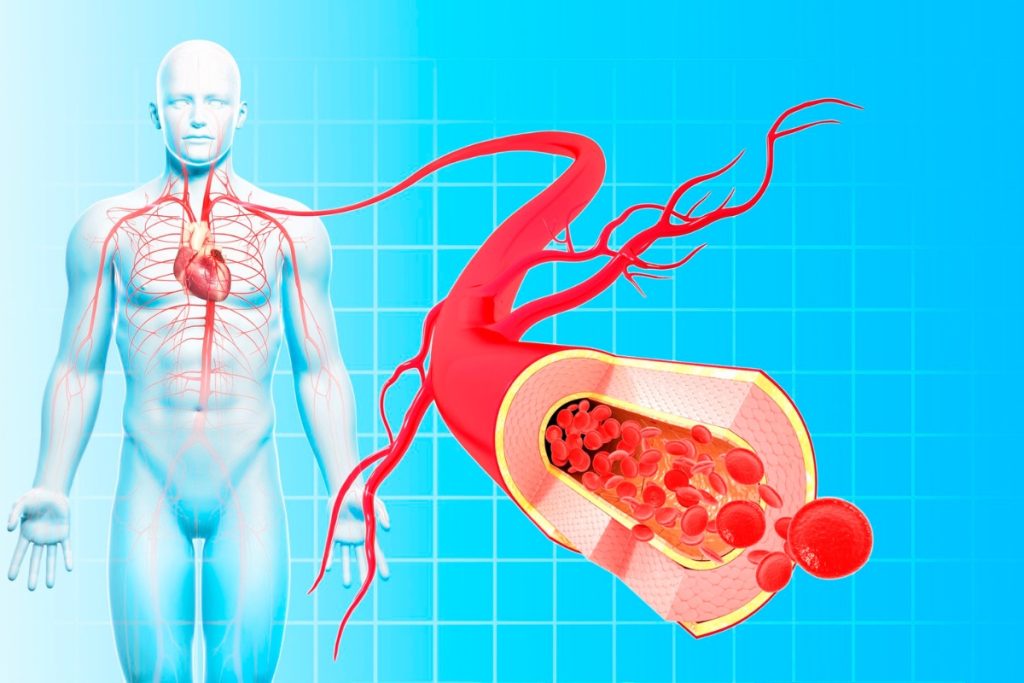

Transcatheter Aortic Valve Implantation (TAVI) is a minimally invasive procedure used to treat patients with severe aortic stenosis, a condition where the aortic valve narrows and restricts blood flow from the heart to the rest of the body. TAVI involves the implantation of a prosthetic valve without the need for traditional open-heart surgery. The procedure is typically recommended for patients who are considered high-risk or inoperable candidates for conventional valve replacement surgery. It is a game-changer for elderly or frail patients who may not tolerate the stresses of open surgery.
Pre-Procedure Evaluation
Before the TAVI procedure, a thorough evaluation is conducted, including imaging studies like echocardiography, CT scans, and sometimes MRI. These assessments help determine the anatomy of the aortic valve and the patient’s overall health, including the size and shape of the blood vessels, which are crucial for determining the best approach for valve delivery.
Access Site Selection:
TAVI can be performed using several different access points, depending on the patient’s condition and anatomy. The most common access is through the femoral artery (transfemoral approach), but in some cases, the procedure may be performed through the subclavian artery, the jugular vein, or even via direct access to the heart (transapical approach).
Valve Delivery:
Once the access site is determined, a catheter is inserted into the artery and guided towards the aortic valve. A balloon-expandable or self-expanding valve is mounted on a catheter, and the catheter is carefully advanced to the site of the aortic valve. The prosthetic valve is positioned within the diseased valve, where it is deployed by inflating a balloon (for balloon-expandable valves) or by allowing the self-expanding valve to unfold. The new valve is then anchored in place, pushing the old, narrowed valve out of the way.
Post-Procedure Imaging and Monitoring:
Once the valve is implanted, imaging techniques such as echocardiography or fluoroscopy are used to confirm correct positioning and ensure the valve is functioning properly. The patient is monitored for any signs of complications, such as bleeding, infection, or valve dysfunction.
Advantages of TAVI
TAVI is primarily used to treat severe aortic stenosis, which can lead to heart failure and other serious complications if left untreated. It is recommended for patients who:
TAVI in the Treatment of Aortic Stenosis
Aortic stenosis occurs when the valve between the heart’s left ventricle and the aorta narrows, making it harder for the heart to pump blood into the body. Over time, this can lead to symptoms like shortness of breath, fatigue, chest pain, and even fainting. If untreated, aortic stenosis can result in heart failure and death. TAVI offers an alternative to surgery for these high-risk patients, providing an effective solution with lower risk and quicker recovery.
Post-TAVI Care and Follow-Up
After the procedure, patients typically stay in the hospital for a few days to monitor heart function, assess for potential complications, and manage pain. Long-term follow-up is necessary to ensure that the new valve continues to function properly and that there are no signs of complications such as valve dysfunction, infection, or leakage around the valve (paravalvular leak). Regular echocardiograms are used to monitor valve performance over time.
Transcatheter Aortic Valve Implantation (TAVI) has revolutionized the treatment of severe aortic stenosis, especially in patients who are not candidates for traditional open-heart surgery. With its minimally invasive nature, quick recovery time, and proven effectiveness, TAVI has become an essential procedure in the management of aortic valve disease, improving quality of life and survival for many patients.
Dr. Alok Shah, a renowned cardiologist, excels in diagnosing and treating heart conditions with expertise and compassionate care.
Copyright ©2024 All rights reserved | Designed by Rebecca Digital