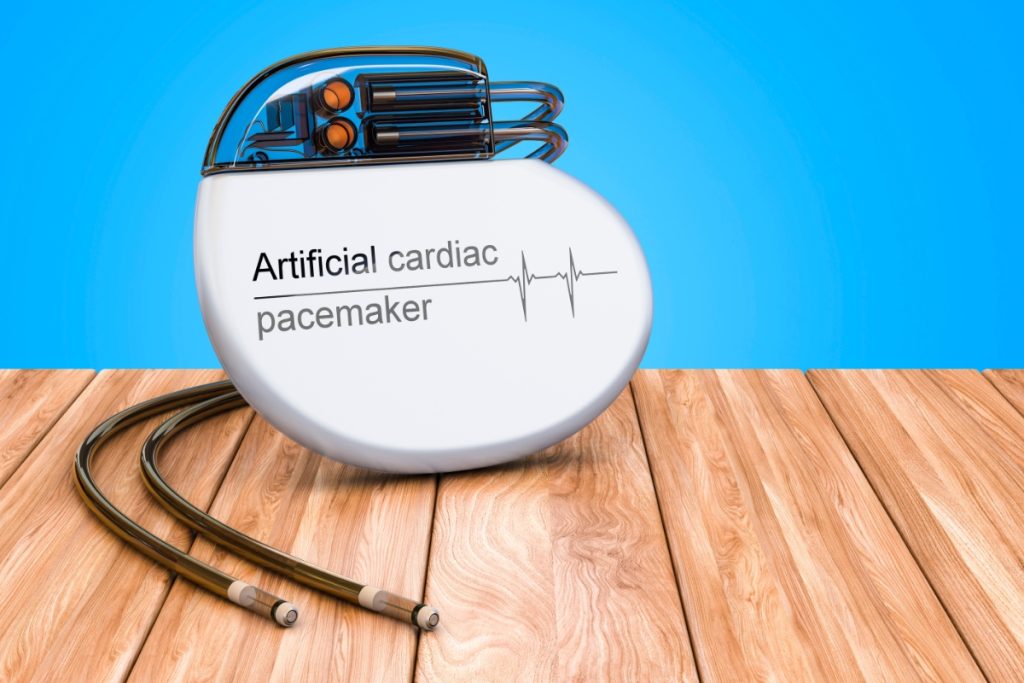
Permanent Pace Maker & ICD implantation

A pacemaker is a medical device that is implanted in the chest or abdomen to help regulate and control the heartbeat. It is commonly used to treat certain heart rhythm disorders, specifically conditions where the heart beats too slowly or irregularly. The primary function of a pacemaker is to send electrical impulses to the heart muscle, ensuring that it maintains a steady and appropriate rhythm.

Here are key components and functions of a Permanent Pace Maker & ICD implantation

A pacemaker is a vital medical device designed to manage heart rhythm disorders by ensuring a steady heartbeat. Its primary components include:

  • Generator: The pacemaker has a small, battery-powered generator that produces electrical impulses. Modern pacemakers are typically equipped with lithium batteries that can last for several years before requiring replacement.
  • Leads: One or more insulated wires, known as leads, are connected to the generator and threaded through the blood vessels into the heart. These leads carry the electrical impulses from the generator to the heart muscle.
  • Electrodes:The ends of the leads have electrodes, which make contact with the heart muscle. The electrodes are responsible for delivering the electrical impulses and sensing the heart’s natural electrical activity.
  • Sensing and Pacing Modes: Pacemakers can sense the heart’s natural electrical signals. If the heart’s rhythm becomes too slow or irregular, the pacemaker will emit electrical impulses to stimulate the heart muscle and restore a normal rhythm. Pacemakers can operate in different modes, adjusting the timing and intensity of the electrical impulses based on the patient’s needs.
  • Rate-Responsive Feature: Some pacemakers have a rate-responsive feature that adjusts the heart rate based on the patient’s physical activity. This ensures that the heart rate increases appropriately during exercise or other strenuous activities.
  • Programming:The pacemaker can be programmed and adjusted by a healthcare professional using an external device known as a programmer. This allows the healthcare provider to customize the pacemaker settings to meet the specific needs of the patient.


Permanent Pace Maker & ICD implantation

  • Permanent Pacemaker (PPM) regulates slow heart rates by sending electrical impulses to maintain normal heart rhythm.
  • Implantable Cardioverter Defibrillator (ICD) monitors and treats life-threatening arrhythmias like ventricular fibrillation.
  • PPM is primarily used in patients with bradycardia (slow heart rate).
  • ICD delivers shocks to restore normal heart rhythm during dangerous arrhythmias.
  • Both devices are implanted to improve survival and quality of life in heart patients.
  • They are recommended when medications alone are insufficient to manage irregular heartbeats or prevent sudden cardiac arrest.


Dr. Alok Shah, a renowned cardiologist, excels in diagnosing and treating heart conditions with expertise and compassionate care.

Copyright ©2024 All rights reserved | Designed by Rebecca Digital