

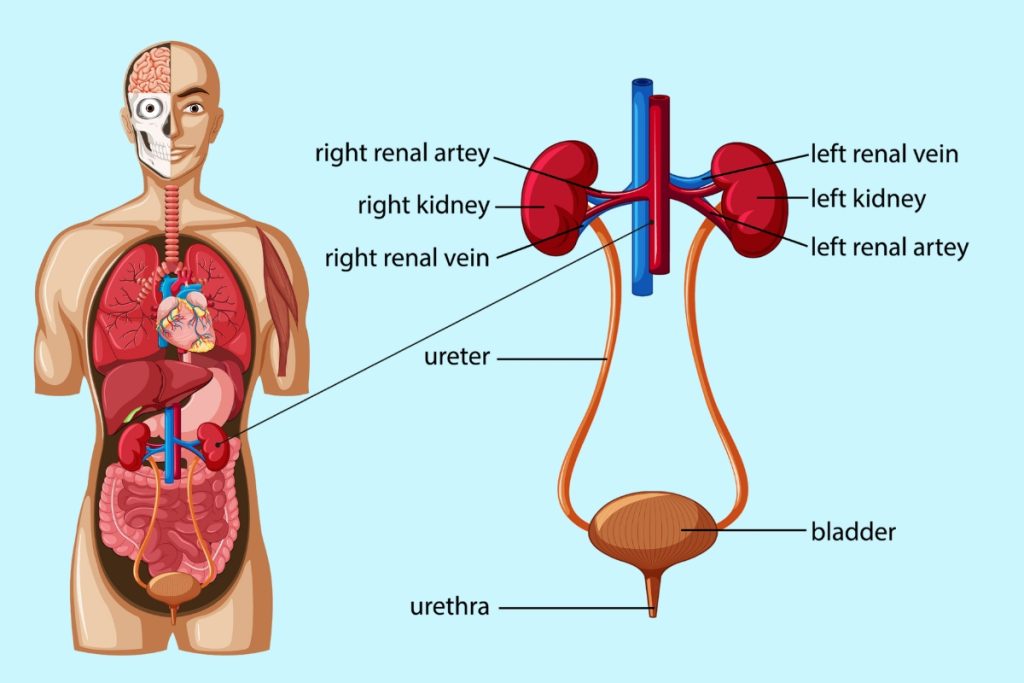
Renal Angioplasty and Stenting are interventional procedures designed to treat renal artery disease, which can lead to hypertension and kidney dysfunction. These procedures aim to restore proper blood flow to the kidneys by addressing blockages or narrowing in the renal arteries.
Renal Angioplasty involves using a balloon catheter to widen a narrowed or blocked renal artery. After preparing the patient with local anesthesia and sedation, a catheter is inserted through a small incision, typically in the groin or arm. Guided by imaging techniques, the catheter is advanced to the renal artery, where a balloon is inflated at the site of the blockage. This inflation compresses plaque against the artery walls, widening the artery and restoring blood flow. After deflating the balloon, the catheter is removed, and the incision site is closed. This procedure improves kidney function and helps manage high blood pressure associated with renal artery stenosis.
Renal Stenting is often performed alongside angioplasty. A small metal mesh tube, or stent, is placed into the renal artery to keep it open after the balloon angioplasty. The stent is inserted via the catheter and expanded to fit the artery walls, providing structural support to prevent re-narrowing. This stent remains permanently to ensure long-term patency of the artery. Together, these procedures enhance blood flow to the kidneys, improve kidney function, and help manage hypertension. They offer a minimally invasive alternative to more extensive surgical options, with generally shorter recovery times. For more information or to discuss if these treatments are suitable for you, please contact us. Our team is committed to delivering expert care and personalized solutions for your vascular and renal health.